BLOG
  • Wireless molded jelly Bra vs Traditional Cut-and-Sew Bra: Which Is the Better Choice for Your Lingerie Brand?
    Wireless molded jelly Bra vs Traditional Cut-and-Sew Bra: Which Is the Better Choice for Your Lingerie Brand? Feb 13, 2026
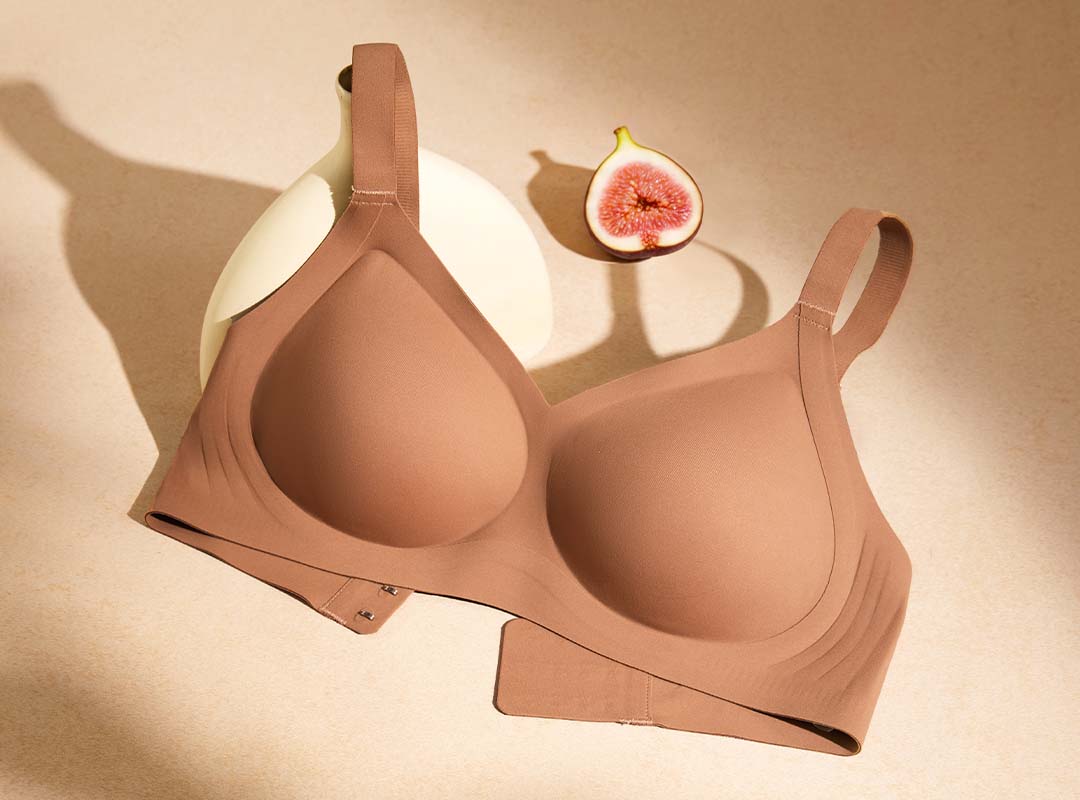
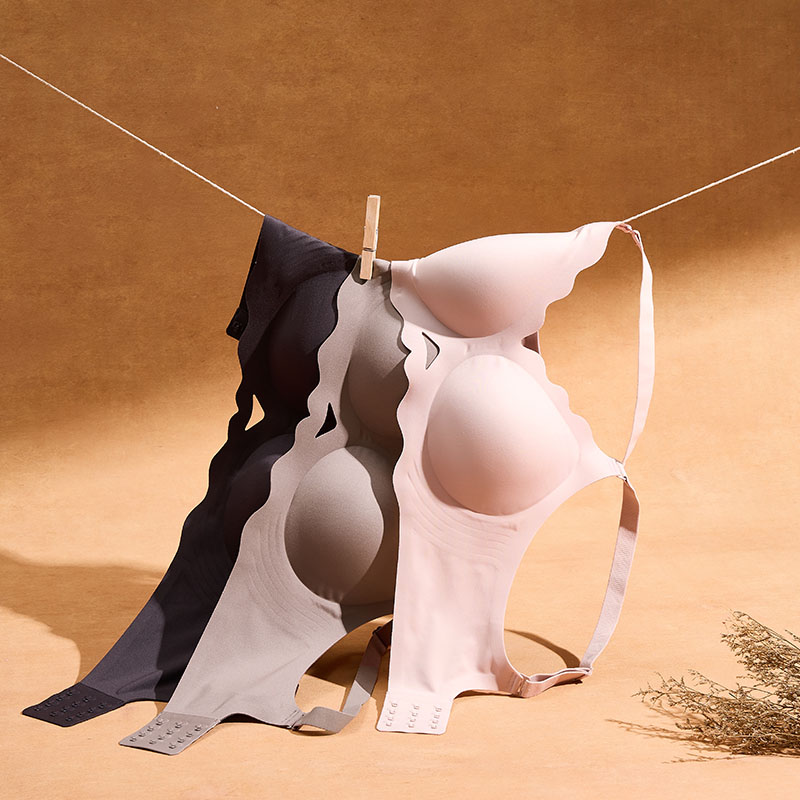
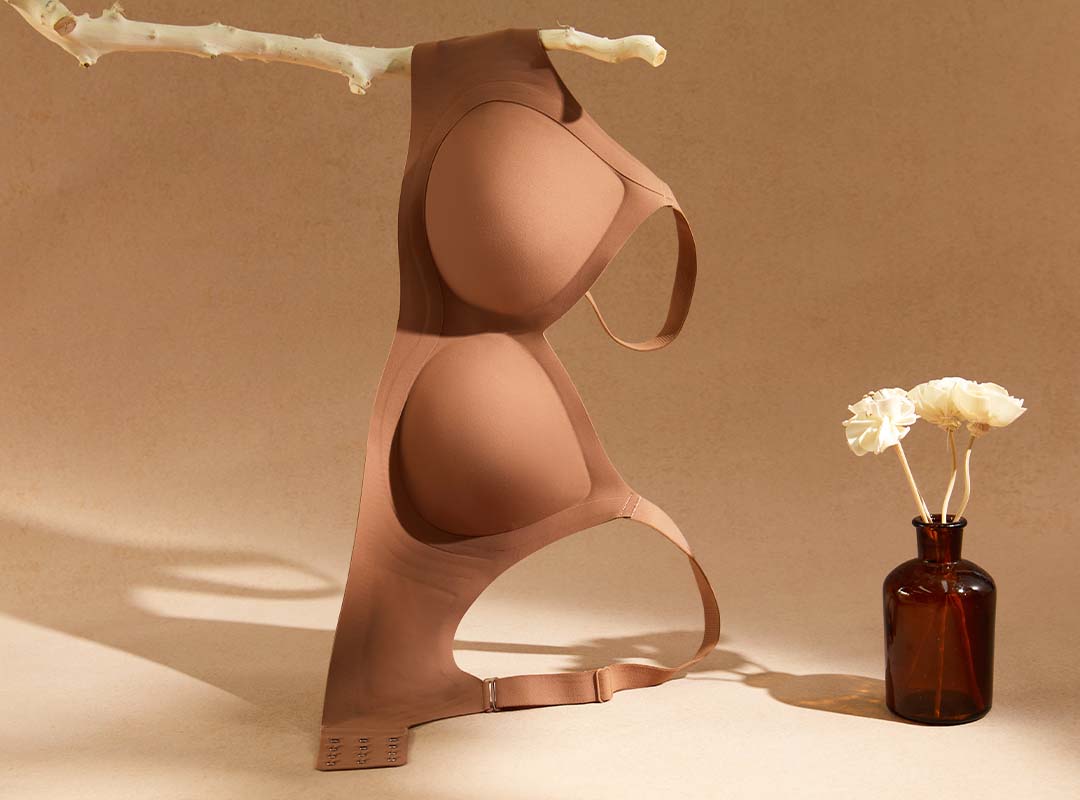
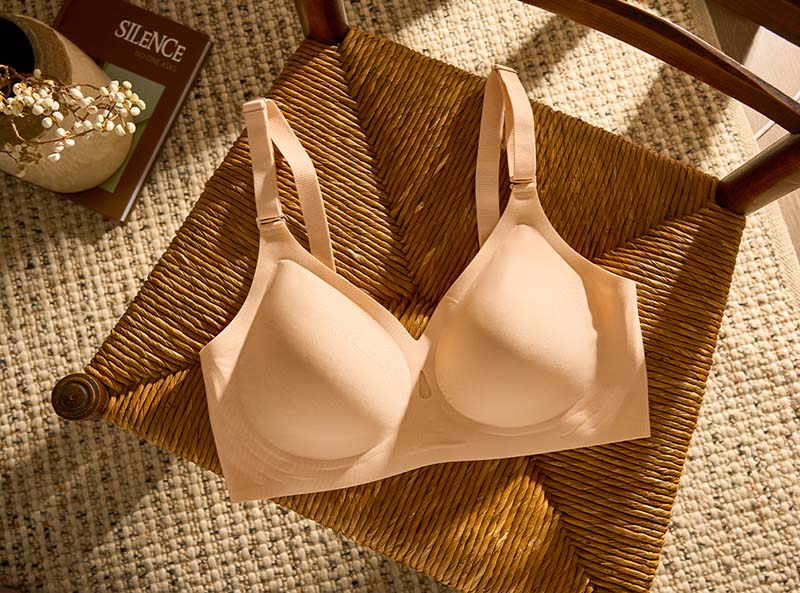
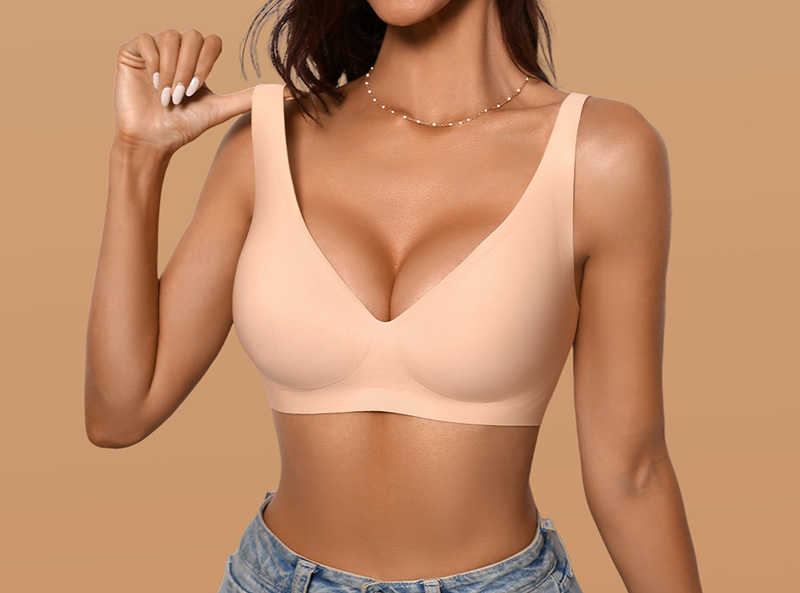
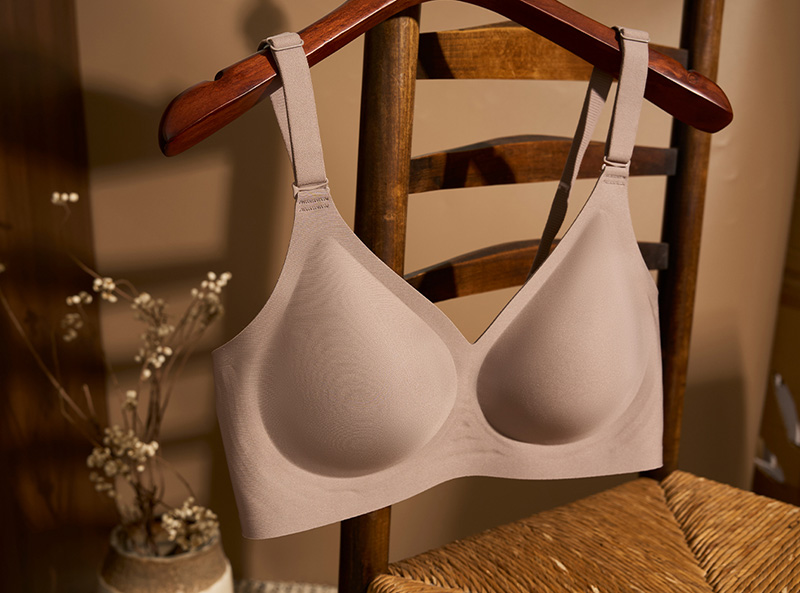
    For lingerie brands, wholesalers, and private label buyers, choosing the right bra structure is not only a design decision—it is a positioning and performance decision. Two common constructions in today’s market are:molded jelly cup bras and traditional cut-and-sew bras.While both serve everyday wear, their structural logic, comfort profile, and market positioning are fundamentally different. This blog explains the real differences—and why high quality comfortable molded jelly bras are increasingly favored by modern comfort-focused brands. 1. Structural Difference: Material Shaping vs Structural Shaping Traditional Cut-and-Sew Bra A cut-and-sew bra is constructed using multiple fabric panels stitched together to form a three-dimensional cup shape. Support and shaping rely on: Panel engineering Seam tension Underwire (in many cases) Structural reinforcement The cup shape is created through fabric segmentation and stitching precision. Wireless molded jelly Bra A high quality wireless molded jelly Bra uses: A single-piece molded cup Internal jelly gel padding (elastic support material) Seamless outer surface The cup shape is created through: Mold compression Elastic material rebound performance Instead of relying heavily on seam construction, shaping is achieved through material elasticity and molded structure. 2. Unique advantages of wireless molded jelly braAdvantage 1: Seamless Appearance for Modern Styling One of the biggest advantages of molded jelly cup bras is surface smoothness. Unlike cut-and-sew bras: No visible seam lines No panel intersections Cleaner silhouette under tight clothing For brands targeting: Minimalist aesthetics T-shirt bra categories Seamless daily wear collections Molded jelly cups provide a stronger “invisible under clothing” positioning. Advantage 2: Softer, Adaptive Support Traditional cut-and-sew bras depend on structural tension. This can sometimes result in: Localized pressure points Visible seam ridges Less adaptive shaping Molded jelly cup bras rely on elastic gel performance. Benefits include: Even pressure distribution Softer contact feel More adaptive contouring Reduced “empty cup” sensation For comfort-driven product lines, this offers a clear differentiation point. Advantage 3: Stronger Shape Retention Over Time In cut-and-sew bras, repeated washing may lead to: Seam stress relaxation Panel distortion Minor shape imbalance In molded jelly cup bras: The cup is formed as one piece No seam dependency for structure Elastic gel core maintains rebound ability This typically results in: Better long-term cup integrity Reduced deformation complaints More consistent visual shape across batches For B2B buyers, this translates to lower post-sale risk. Advantage 4: Natural Push-Up Effect Without Excess Structure Traditional push-up bras often rely on: Thick foam inserts Aggressive structural angles Underwire tension Molded jelly cup bras can achieve shaping through: Elastic upward rebound Controlled gel density Even lift distribution The visual effect is: Rounder contour Less rigid enhancement More natural silhouette This aligns with current consumer trends toward “soft shaping” rather than extreme push-up. Advantage 5: Premium Product Positioning From a brand strategy perspective, molded jelly cup bras offer: Material differentiation (gel vs foam) Perceived technology upgrade Higher price positioning opportunity Stronger storytelling for comfort innovation   Advantage 6:Manufacturing Consistency Advantage Cut-and-sew bras rely heavily on: Skilled stitching precision Panel alignment accuracy Worker-dependent seam quality Molded jelly cup bras benefit from: Mold-based dimensional stability Higher surface uniformity More standardized cup replication For larger production runs, this often improves: Visual consistency Reduced structural variation Predictable bulk quality     3.  Recommendations for choosing between Wireless molded jelly bra and Traditional Cut-and-Sew bra in different target markets traditional cut-and-sew bras remain essential for: Lace-focused collections Fashion-driven segmentation High structural support categories Molded jelly cup bras are particularly strong in: Seamless everyday bras Wireless comfort series Premium basic collections When Molded Jelly Cup Bras Are the Better Choice Molded jelly cup bras are especially suitable for brands that prioritize: Comfort-driven collections Seamless everyday wear Soft support without heavy structure Premium material upgrade positioning They are not designed to replace all cut-and-sew bras—but they provide a strong alternative for modern minimal and comfort-focused product lines.Partner with Chuangrong and launch your brand new product line! 📩 Email: Lexie@Sharicca.com  🌐 Website: www.chuangrongapparel.com

  • Common Risks When Sourcing Jelly Adhesive Bras from Low-Cost Suppliers
    Common Risks When Sourcing Jelly Adhesive Bras from Low-Cost Suppliers Feb 06, 2026
    Jelly Adhesive Bra Sourcing: From Process Transparency to Risk Control A Complete Risk Awareness Guide for B2B Buyers For professional buyers, sourcing high quality jelly adhesive bras is not about finding a supplier who can produce the product.It is about finding a manufacturer who understands: where risks actually originate,which risks can be controlled,and which risks must be actively managed on behalf of the buyer. Step 1: Understanding What Manufacturers Can Truly Control In professional B2B  jelly adhesive bra production, not every variable is adjustable—but many are manageable when handled correctly. From raw material preparation, bonding, shaping, to final inspection, process stability determines whether products behave consistently after shipment. Experienced manufacturers focus on: repeatable adhesive handling methods controlled bonding parameters consistent edge and thickness behavior standardized post-production checks These controls do not eliminate all variation—but they reduce unpredictable outcomes that often surface months later. This is why MOQ, lead time, and pricing are closely linked to process stability—not just appearance or mold cost. Step 2: Recognizing Where Hidden Risks Begin Most sourcing issues do not come from visible defects. They appear later as: weakened adhesion during storage edge lifting after handling turns yellow quickly in a short period of time After a few washes, the gel detaches or hardens. unexpected customer complaints These risks usually originate when: adhesive supplier data is treated as final validation bonding performance is not observed beyond immediate inspection No internal benchmarks for acceptable variation Low-cost suppliers often meet surface-level requirements—but leave these risks unresolved.These products often look acceptable at delivery—but issues emerge later during storage, distribution, or retail handling. Reliable manufacturers focus on what happens after production, not just at the end of the line. Step 3: The Critical Gap Between Material Testing and Finished Product Behavior Adhesive suppliers test adhesive materials.Manufacturers produce finished products. Once adhesive is applied to fabric, its real-world behavior depends on: application thickness surface compatibility bonding pressure and curing conditions Professional manufacturers understand that material-level data does not replace finished-product verification.This is where sourcing risk either accumulates—or is absorbed by the factory. Step 4: How Risk Is Either Passed to Buyers—or Stopped at the Factory The key difference between low-cost and reliable jelly adhesive bra manufacturers is who carries the risk. Low-cost suppliers often: optimize for speed and unit price limit checks to shipment approval define responsibility as ending at delivery Reliable manufacturers: define internal consistency standards track production batches retain reference samples support post-shipment analysis These steps increase operational cost—but dramatically reduce buyer-side exposure. Step 5: Why Pricing Differences Are Really About Risk Allocation Price gaps in jelly adhesive bra sourcing are rarely about profit margin alone. Higher pricing reflects: additional handling and verification time tighter acceptance thresholds internal absorption of early-stage defects technical communication before and after production Lower pricing usually means: faster throughput minimal buffering risk transferred downstream For brands, wholesalers, and private-label buyers, this difference determines whether inventory remains stable—or becomes a liability. Step 6: What a Reliable Supplier Relationship Actually Looks Like A reliable jelly adhesive bra manufacturer does not promise perfection. Instead, they provide: clear explanations of process boundaries realistic MOQs based on stability transparent lead times proactive communication when adjustments are needed This level of clarity protects: brand reputation inventory value long-term supply continuity A Final Takeaway for Professional Buyers Sourcing jelly adhesive bras is not a product decision—it is a risk management decision. Manufacturers who openly explain:what they control,how they manage variation,and where costs are incurred are not trying to sound impressive—they are showing that they understand responsibility. That understanding is what builds long-term partnerships. If you are evaluating jelly adhesive bra suppliers and want: realistic MOQs stable production planning reduced post-delivery risk We welcome technical discussions before quotation—because clear expectations protect both sides. Talk to us before you place your next order! 📩 Email: Lexie@Sharicca.com🌐 Website: www.chuangrongapparel.com  
  • MOQ, Lead Time & Cost Breakdown for Jelly Adhesive Bra Production————A Realistic Guide for B2B Buyers
    MOQ, Lead Time & Cost Breakdown for Jelly Adhesive Bra Production————A Realistic Guide for B2B Buyers Feb 05, 2026
    For brands and wholesalers buyers sourcing high quality comfortable wireless jelly bras, understanding MOQ, lead time, and cost structure is critical to controlling risk, cash flow, and product quality. However, many B2B buyers only realize the real constraints after placing an order—when delays, hidden costs, or quality compromises appear. Unlike traditional sewing bras, jelly adhesive bras involve adhesive preparation, bonding accuracy, and post-production validation—making timelines and costs highly interdependent. This guide explains what B2B buyers should realistically expect when working with a professional jelly adhesive bra manufacturer, and why overly aggressive pricing or timelines often increase commercial risk. 1. MOQ: Why Jelly Adhesive Bras Require Higher Minimums Product structure and mold requirements define the MOQ baseline, and further influenced by process stability and batch consistency. Typical MOQ ranges in the industry: Standard shape + standard adhesive system:1,000–2,000 pcs per color Customized shape, thickness, or structure:3,000–5,000 pcs Lower MOQs may be offered for trial orders, but buyers should understand that extremely low MOQs usually mean higher unit prices (due to the high cost of molds), or that shortcuts are being taken to save costs in areas such as adhesive curing or material consistency,especially for adhesive-related products. Professional manufacturers set MOQs to ensure:Stable adhesive handling,Repeatable bonding results,Consistent appearance across batches MOQ is not only a commercial number—it is part of quality control.Professional factories balance MOQ with stability, not just order acceptance. 2. Lead Time: What a Realistic Production Timeline Looks Like A realistic lead time for Premium Comfort Jelly Wire-Free Bra reflects process readiness and verification, not just machine speed. A typical production timeline includes: Sampling & order confirmation: 7–14 days Adhesive preparation & stabilization period: 3–5 days During this stage, the adhesive system is prepared and allowed to stabilize after mixing. This helps reduce bonding inconsistency, air entrapment, and early odor release before bulk production. Bonding & assembly process: 10–15 days This includes controlled bonding, trimming, and structure checks to ensure edge integrity and adhesion consistency. Finished product stability observation & adhesion verification: 5–10 days After bonding, finished products are observed and checked under simulated storage and handling conditions. These validations focus on post-bonding performance and complement adhesive supplier material data. Final inspection & packing: 3–5 days Typical total lead time: 30–45 days Factories offering significantly shorter lead times often reduce or skip stabilization and post-bonding verification—shifting long-term performance risk to the buyer. 3. Cost Breakdown: What Determines the Real Cost of Jelly Adhesive Bras The cost of a jelly adhesive bra is shaped by process discipline, not just material price. Key cost components include: Adhesive system quality and handling requirements Bonding labor and edge control precision Stabilization and post-bonding verification time Quality inspection and rework prevention Compliance documentation and traceability for EU & US markets Lower pricing usually reflects: Reduced preparation time Minimal post-bonding observation Limited responsibility after shipment In adhesive-based products, cost savings achieved by cutting process steps often reappear later as returns or unsellable stock. 4. How Experienced B2B Buyers Control Cost Without Increasing Risk Professional buyers manage cost through structure, not pressure: Start with standard shapes and specifications before customization Place trial orders focused on bonding performance, not appearance alone Lock key specifications early to avoid mid-production changes Allow realistic timelines during peak seasons to protect consistency Cost efficiency in jelly adhesive bras comes from repeatability, not speed. 5. Why Transparency Matters More Than Speed In jelly adhesive bra sourcing, the most reliable suppliers are not those who promise the fastest delivery—but those who clearly explain: Which stages require time What is verified before shipment Where supplier data ends and manufacturer responsibility begins This transparency is what protects brands, wholesalers, and private-label programs in long-term cooperation. Final Takeaway for B2B Buyers MOQ, lead time, and cost in jelly adhesive bra production are closely connected. Understanding how manufacturers manage adhesive preparation, bonding consistency, and finished product validation helps buyers avoid preventable sourcing risks. A professional jelly adhesive bra OEM/ODM manufacturer does not compete on shortcuts—but on stability, accountability, and repeatable results. 📩 Email: Lexie@Sharicca.com  🌐 Website: www.chuangrongapparel.com  
  • Will Your Jelly Adhesive Bra Turn Yellow? Read This Before Buying — It Could Save You Tens of Thousands of Dollars in Jelly Bra Sourcing Costs
    Will Your Jelly Adhesive Bra Turn Yellow? Read This Before Buying — It Could Save You Tens of Thousands of Dollars in Jelly Bra Sourcing Costs Jan 30, 2026
    For brands, wholesalers, and private-label buyers,ODM&OEM Wireless Jelly Bras offer high margins—but also carry hidden quality risks. Among all concerns, yellowing over time is the most misunderstood and most likely to cause post-delivery disputes. This FAQ-style guide explains what is normal, what is preventable, and what professional factories actually control, helping buyers make informed sourcing decisions and avoid costly mistakes. FAQ 1: Will Jelly Adhesive Bras Turn Yellow Over Time? Short answer: Yes, slight yellowing over extended time is possible. Jelly adhesive used in transparent jelly bras and clear adhesive lingerie is a polymer-based material. Like all polymers, it may undergo mild oxidation over time—especially in clear or semi-transparent forms. Key point for buyers: Yellowing is a material property, not automatically a manufacturing defect. FAQ 2: Can Professional Factories Make Jelly Bras 100% Non-Yellowing? No professional manufacturer can realistically guarantee that jelly adhesive will remain completely colorless forever. What experienced factories achieve is: Significant delay of yellowing Stable appearance within normal sales cycles Any claim of “never yellowing” or “100% non-yellowing guarantee” should be treated as a risk signal, not a benefit. FAQ 3: Why Does Yellowing Happen Even When Production Quality Is High? Yellowing is influenced by factors beyond the factory floor, including: High-temperature transportation (container shipping) UV exposure High-humidity storage Long inventory turnover cycles Factories can reduce sensitivity, but cannot fully control downstream logistics and storage conditions. What Professional Jelly Bra Factories Actually Control:Controlled Factors Inside the Factory Adhesive formulation with anti-oxidation stabilizers Higher anti-yellowing grade jelly adhesive Anti-yellowing agents are added to the fabric during the dyeing and shrinking process Improved adhesive purity to reduce impurities Controlled bonding, curing, and stabilization processes Light- and temperature-controlled warehouse storage Uncontrollable Factors After Shipment Overseas transport temperature fluctuations Retail or distributor storage conditions Inventory aging beyond planned sales cycles Uncontrollable factors after the brand sells the product to consumers Incorrect High-temperature washing Prolonged soaking may cause yellowing Human sweat may cause yellowing A professional factory will warn you in advance about these uncontrollable factors that can cause High Quality Invisible Jelly Bras to yellow, and will also inform you of the correct washing and care methods for jelly bras. Comparison Table: Inexperienced vs Professional Jelly Bra Manufacturing FAQ 4: How Do Professional Factories Test Yellowing Risk? Experienced manufacturers rely on data, not promises, including: High-temperature aging tests (48–72 hours) Long-term storage simulation Visual stability evaluation under controlled lighting These tests help define a safe selling window, allowing buyers to plan inventory cycles with confidence. FAQ 5: Is Yellowing a Quality Defect or a Commercial Risk? From a B2B perspective, yellowing is primarily a commercial risk, not a binary quality failure. It becomes a problem only when: Products remain unsold beyond their expected sales cycle Storage conditions are not aligned with material properties Buyer expectations are misaligned with material reality Recommended Inventory Strategies for Different Buyer Types Fast Fashion, Eventwear, Bridal Lingerie Short sales cycles Rapid inventory turnover Risk level: Very low Premium Private Label & Long-Inventory Brands Recommended practices: Define inventory cycles (e.g. within 12 months) Use UV-resistant or light-blocking packaging Specify reasonable storage conditions in supply agreements Risk level: Manageable with proper planning FAQ 6: How Should Buyers Communicate Yellowing Risk Internally or to Retailers? A professional and accurate statement used by experienced manufacturers: Jelly adhesive is a polymer-based material. While slight color change over extended time is a natural material property, professional manufacturing processes and anti-yellowing formulations can significantly delay yellowing and ensure long-term visual stability within normal sales cycles. This wording reduces disputes and aligns expectations across the supply chain. Key Takeaways for B2B Buyers ✔ Jelly adhesive bras cannot be guaranteed permanently colorless ✔ Professional factories delay and control, not deny, yellowing ✔ The real sourcing risk lies in unrealistic promises, not material reality Choosing a process-driven, transparent jelly bra manufacturer protects your brand, your margins, and your long-term sourcing strategy. If you are sourcing jelly adhesive bras, invisible sticky bras, or bonded lingerie and want clear data, transparent testing standards, and predictable product performance, work with manufacturers who explain risks honestly—and know how to control them.Of course, you are welcome to contact Chuangrong Underwear Factory!We are happy to answer your questions and assist with the production and development of your brand! 📩 Email: Lexie@Sharicca.com  🌐 Website: www.chuangrongapparel.com  
  • Why Buyers Should Care About the Manufacturing Process of Invisible Bonded Lingerie
    Why Buyers Should Care About the Manufacturing Process of Invisible Bonded Lingerie Jan 29, 2026
    Fabric Inspection: Why Material Control Determines Final Quality For buyers sourcing high quality invisible adhesive lingerie, fabric inspection is the first indicator of a reliable manufacturer. By checking fabric weight (GSM), roll length, elasticity, and surface appearance, factories can prevent hidden defects from entering production. When this step is done correctly, brands benefit from consistent bonding performance, fewer quality claims, and stable bulk order results—especially critical for private-label and repeat programs. Fabric Relaxing: Why Accurate Fit Starts Before Cutting Fabric relaxing directly impacts garment sizing accuracy. By allowing fabric to return to a tension-free state before cutting, manufacturers avoid panels shrinking smaller than the paper pattern. For buyers, this means fewer size deviations, lower return rates, and a more predictable fit across different production batches—an essential factor for building brand trust in OEM&ODM high quality seamless bonded lingerie. Automated Fabric Spreading: Why Consistency Matters in Bulk Orders Automated fabric spreading ensures even tension and precise layer calculation during production. This process eliminates human error such as over-stretching or uneven force, which can lead to size inconsistency. For buyers placing large-volume orders, automated spreading translates into uniform dimensions, higher production stability, and fewer quality fluctuations between lots. Precision Cutting and Lace Alignment: Why Details Affect Brand Perception Accurate cutting defines the overall appearance and symmetry of invisible bonded bras. Automatic cutting machines ensure clean edges and precise shapes, while proper lace alignment prevents pattern shifting. From a buyer’s perspective, this step directly affects visual quality, fit consistency, and the premium feel of the finished product—key elements that influence consumer satisfaction and brand image. Bonding Technology and Cup Molding: Why Durability Depends on Process Choice Bonding is the core technology behind invisible bonded underwear. Film bonding offers smooth, fray-free edges with different wash resistance levels (40°C or 60°C), while dot bonding provides stronger durability that resists reopening under reheating. For high-end invisible bonded bras, 3D cup molding adds structure and shape, but only works with heat-resistant fabrics. Buyers who understand these differences can better match bonding methods to their market positioning, wash requirements, and pricing strategy. Strap Production and Stabilization: Why Time Equals Performance Strap quality directly affects wear comfort and product lifespan. Bonded fabric straps are folded, bonded, reinforced, and finished using automated equipment to ensure strength at stress points. After bonding, allowing a 24–48 hour stabilization period before testing is critical. This waiting time ensures adhesive performance is fully set, resulting in better wash durability and stronger bonding—reducing after-sales issues for buyers. Final Inspection: Why End-Line QC Protects Your Brand Final inspection is where potential problems are caught before shipment. Measurements, appearance, and bonding strength are carefully checked to ensure compliance with buyer specifications. For brands and wholesalers, this step minimizes defect rates, protects brand reputation, and reduces costly post-delivery disputes. Packaging and Export Preparation: Why the Last Step Still Matters Proper packaging is not just about presentation—it affects logistics efficiency and product protection. Hangtags, polybags, and export-ready cartons prepared according to buyer requirements ensure smooth customs clearance and safe international shipping. Reliable packaging reflects a manufacturer’s professionalism and attention to detail. Final Thought for Buyers Understanding the full manufacturing process of invisible bonded lingerie helps buyers make smarter sourcing decisions. A transparent, well-controlled production flow reduces risk, ensures consistent quality, and supports long-term cooperation between brands and OEM manufacturers.If you would like to learn more, please feel free to contact Chuangrong! 📩 Email: Lexie@Sharicca.com  🌐 Website: www.chuangrongapparel.com
  • Jelly Support Bras as a Long-Term Category, Not a Short-Term Trend
    Jelly Support Bras as a Long-Term Category, Not a Short-Term Trend Jan 23, 2026
      As global lingerie consumption continues to evolve, more brands and buyers are reassessing how their core bra collections are structured. In 2025, Jelly Wireless Bras are no longer viewed as experimental styles, but as a long-term category supported by both consumer demand and stable wholesale performance.   For lingerie brands, retailers, and private label buyers, the shift toward Jelly Strip Bra Manufacturing and OEM production reflects a broader move away from rigid underwire solutions and toward comfort-driven, scalable products.   1. A Structural Change in the Bra Market Traditionally, underwire bras formed the back bone of most lingerie collections. However, recent sales data and buyer feedback show that wire-free bras and jelly support bras are steadily replacing underwire styles in daily wear categories.   From a bra manufacturer and wholesale supplier perspective, this shift is evident in: Increased inquiries for OEM Jelly Seamless Bra  Reduced dependence on heavy underwire structures Stronger reorder performance for comfort-focused bra programs This change is not seasonal. It reflects how brands are restructuring their assortments around long-term demand rather than short-term trends.   2. What Defines a Jelly Support Bra in OEM Production? In jelly support bra manufacturing, traditional metal underwires are replaced by soft, flexible jelly or gel support structures that provide natural lift without pressure. From an OEM and ODM standpoint, jelly support bras typically feature: Wire-free construction with soft jelly support Adaptive shaping suitable for different body types Compatibility with seamless, bonded, or molded cup designs Improved comfort for extended daily wear   These features make jelly bras ideal for comfort bra wholesale programs and private label collections targeting everyday use.   3. Why Jelly Support Bras Are Gaining Acceptance from Both Buyers and Sellers The growing popularity of jelly support bras is driven by both market demand and commercial performance. Buyer and Consumer Demand Consumers increasingly search for: Wire-free bras No-pressure bras Comfortable daily bras with natural shaping This demand directly influences brand sourcing decisions and drives interest in jelly support bra OEM suppliers. Brand and Wholesale Performance From the seller side, brands report that jelly support bras: Achieve higher sell-through rates than traditional underwire bras Show stronger repeat purchase behavior Are easier to scale into multi-color and multi-size series This alignment between consumer preference and wholesale results is why jelly support bras are becoming a core category in bra wholesale and manufacturing.     4. Western and Asian Markets: One Direction, Different Drivers Western Markets (USA & Europe) In Western markets, jelly support bras are positioned as: Wire-free comfort bras Lifestyle and wellness-focused products Long-term core styles rather than seasonal launches Brands working with jelly support bra manufacturers often emphasize fabric quality, durability, and all-day comfort.   Asian Markets In Asia, the growth of jelly support bras is faster and more volume-driven: Strong demand for lightweight, seamless jelly bras Faster trial-to-reorder cycles in wholesale programs High acceptance of wire-free bra designs Despite different motivations, both markets are sourcing from jelly support bra OEM and ODM suppliers to meet the same comfort-driven demand.   5. Jelly Support Bras as a Strategic Wholesale Category For lingerie brands and distributors, jelly support bras offer clear strategic advantages: Suitable for long-term wholesale programs Easier to maintain stable production planning Lower return rates compared to rigid underwire bras As a result, many buyers now treat jelly support bras as: Core daily bras Entry products for new customers Foundation styles for comfort-focused collections This shift further strengthens demand for reliable jelly support bra manufacturers and wholesale suppliers.   6. ChuangRong Jelly Support Bra OEM & ODM Solutions In response to this market direction, we have developed a complete jelly support bra OEM and ODM solution for brand clients and wholesale buyers. Product Development Capabilities Soft jelly support replacing traditional underwire Multiple structure options for different bust needs Seamless, bonded, and molded constructions available Designed for daily wear and long-term comfort Manufacturing & Wholesale Support Experienced Seamlless Bra Manufacturer OEM and ODM services for private label brands Customization for colors, sizes, logos, and packaging Flexible MOQ and stable bulk production capacity Our partners have successfully expanded jelly support bras from trial styles into repeat wholesale programs, confirming their long-term commercial value.   7. Looking Ahead: Jelly Support Bras as a Core Manufacturing Direction Jelly support bras are not replacing every underwire bra, but they are redefining what a core everyday bra looks like. Across global markets, the direction is clear: From rigid structure to adaptive jelly support From short-term fashion styles to long-term wholesale categories From experimental designs to scalable OEM production   For brands planning future collections, working with an experienced jelly support bra OEM manufacturer is becoming a strategic requirement rather than an optional upgrade.   Final Perspective As a professional lingerie manufacturer and wholesale supplier, we see jelly support bras as a reflection of real market demand rather than temporary fashion trends. Their success lies in the balance between comfort, scalability, and long-term commercial performance.    For buyers seeking jelly support bra OEM, wire-free bra manufacturing, or comfort bra wholesale solutions, this category represents one of the most stable growth opportunities in today’s lingerie market.   Partner with Chuangrong and start your low-risk trial order today! 📩 Email: Lexie@Sharicca.com  🌐 Website: www.chuangrongapparel.com        
  • Why do OEM lingerie orders need to be placed at least 2-3 months in advance?
    Why do OEM lingerie orders need to be placed at least 2-3 months in advance? Jan 17, 2026
    For B2B OEM underwear buyers, procurement lead time directly impacts market launch plans and order fulfillment efficiency. A common question among B2B purchasers is: why do OEM underwear products require procurement 2-3 months in advance? The core reason lies in the multi-step, time-sensitive production process—each link has non-negotiable quality control standards and fixed time frames. This article breaks down the full OEM underwear production process, clarifying the rationale behind advance procurement and helping B2B buyers optimize supply chain scheduling. Fabric Inspection (1 Day + 1-2 Weeks Sourcing): Quality Pre-Control for B2B OrdersFabric inspection is the foundational step in OEM lingerie production, especially for high-quality items like OEM wholesale high-quality high-absorbency seamless period pants. Chuangrong uses advanced inspection equipment to verify fabric grammage, length, and appearance, eliminating stains, color differences, and holes. Only qualified fabrics enter warehousing, a process taking 1 full day. Fabric sourcing alone takes 1-2 weeks (varies by material and customization). Fabric Relaxation (1 Day): Non-Negotiable for Size StabilityFabric relaxation ensures size accuracy, a must for products such as custom seamless high-quality women's underwear. Factories use specialized machines to release tension from rolled fabrics, restoring a natural state to prevent post-cut shrinkage and fit issues. This step takes another full day and cannot be rushed—speeding it up risks size deviations and costly reworks, reinforcing the need for early ordering. OEM Underwear Spreading(1 Day)Automated Precision Link Requiring Scheduling Buffer. OEM underwear spreading is completed by automatic cutting beds, which calculate layers and maintain stable tension to avoid manual errors. While this step doesn’t take a full day independently, it’s tightly integrated with subsequent cutting and requires equipment scheduling. For large B2B OEM orders, factories often have multiple orders queued for automated cutting beds—advance procurement ensures your order secures equipment time without delays. Lingerie Cutting (1 Day) After the fabric is laid out, the automatic cutting machine clamps the fabric and cuts it according to the pre-designed layout. The cut fabric pieces are then bundled together to prevent confusion. If producing high-quality OEM custom lace bras, the lace trimming process is even more time-consuming and labor-intensive—multiple layers of lace need to be sewn and secured together to ensure the wave patterns are aligned before cutting to prevent shifting. This entire process takes at least a full day. OEM Underwear Sewing (2-3 Days / 5-14 Days for Large Batches)Mass Production Cycle Driven by Order Volume. Sewing is one of the most time-consuming links in OEM underwear production. B2B factories use assembly lines to splice cut pieces, and the cycle depends on order quantity—regular bulk orders take at least 2-3 days, while large orders can take 5-14 days. Coordinating workforce and production lines for bulk OEM orders requires advance planning. OEM Underwear Final Inspection (1 Day) The final quality control stage requires allocating buffer time for rework, as production inevitably involves some losses. Final inspection, at the end of the assembly line, checks size, appearance, and bonding durability—key criteria for B2B OEM order acceptance. Taking at least 1 day, this step often uncovers minor defects requiring rework (e.g., loose stitches, misaligned bonds). Advance procurement reserves 3-5 days of buffer time for reworks, avoiding delays to your delivery schedule. OEM Underwear Packaging & Cartoning (1 Day) Final Link with Customization Lead Time. Qualified OEM underwear undergoes branded hang tag attachment, custom plastic bag packaging, and cartoning per B2B order requirements—taking about 1 day. For buyers needing customized packaging (e.g., logo-printed bags), packaging material sourcing adds another 1-2 weeks. Advance procurement accounts for this customization time, ensuring packaging aligns with your brand and timeline. Adding up these steps, the base production cycle for OEM underwear is 8-14 days—but this excludes critical pre- and post-production time.Fabric sourcing (1-2 weeks), packaging customization (1-2 weeks), production line scheduling (1-2 weeks), rework buffers (3-5 days), and international logistics (1-6 weeks) all contribute to the 2-3 month advance procurement requirement. For B2B OEM underwear buyers, early procurement isn’t just about meeting deadlines—it’s about ensuring quality, avoiding rush fees, and aligning with factory workflows.Shantou City Chuangrong Apparel Industrial Company,As a professional OEM underwear manufacturer, we provide transparent timeline breakdowns for global B2B partners, helping you plan procurement strategically and launch products on schedule. 📩 Email: Lexie@Sharicca.com   🌐 Website: www.chuangrongapparel.com
  • 7 Key Criteria to Evaluate a Reliable Lingerie OEM Factory
    7 Key Criteria to Evaluate a Reliable Lingerie OEM Factory Jan 05, 2026
    A Practical Guide for European & American B2B Buyers   Choosing the right lingerie OEM manufacturer is one of the most critical decisions for brands, wholesalers, retailers, and private-label businesses. A reliable China lingerie OEM factory directly impacts product quality, delivery timelines, compliance, and your brand’s reputation in competitive EU and US markets. For buyers sourcing bra OEM manufacturing, underwear OEM supply, seamless lingerie production, or private label lingerie, understanding how to properly evaluate a factory can significantly reduce risk and improve long-term profitability. Below are the 7 key criteria every B2B buyer should consider—along with how choosing the wrong OEM partner can hurt your business.   1. Lingerie-Focused Manufacturing Experience Lingerie is not general apparel. It requires precise pattern-making, fabric control, stretch management, and sizing accuracy. A reliable factory should specialize specifically in lingerie categories such as bras, underwear, shapewear, and seamless products. Risk of choosing the wrong OEM: inconsistent fit, sizing complaints, and high return rates.  2. OEM & ODM Capability International buyers often need both OEM and ODM services. OEM supports your custom designs, while ODM allows you to customize ready-developed styles to speed up market entry. Risk of choosing the wrong OEM: long development cycles, high sampling costs, and missed selling seasons. 3. Product Development & Sampling Speed A professional lingerie OEM factory should offer fast sampling, accurate pattern adjustments, and smooth communication during development. Speed-to-market is a major competitive advantage for B2B buyers. Risk of choosing the wrong OEM: repeated sampling delays and rising development costs. 4. Quality Control System Reliable factories implement quality control at every stage—fabric inspection, in-line production checks, and final inspection before packing. Consistent quality is essential for repeat orders. Risk of choosing the wrong OEM: unstable quality, customer complaints, and brand damage. 5. Compliance & Certifications For EU and US markets, compliance is non-negotiable. A qualified lingerie OEM manufacturer should meet standards such as BSCI, OEKO-TEX®, ISO9001, SMETA, GRS, and GOTS. Risk of choosing the wrong OEM: failed audits, blocked shipments, and lost retail opportunities.  6. MOQ Flexibility & Production Capacity Flexible MOQ allows buyers to test the market before scaling. At the same time, the factory must be capable of handling bulk orders with stable lead times. Risk of choosing the wrong OEM: forced high MOQs or inability to scale successful products.  7. Communication & Delivery Reliability Clear English communication, transparent timelines, and on-time delivery are critical when working with overseas manufacturers. Risk of choosing the wrong OEM: misunderstandings, delayed shipments, and missed selling seasons.    How Chuangrong Solves These Challenges   Shantou City Chuangrong Apparel Industrial Co., Ltd. is a professional lingerie OEM/ODM manufacturer in China, established in 2012 and located in Gurao Town, Shantou—the core hub of lingerie production.  Why B2B Buyers Choose Chuangrong: * 20,000㎡ self-owned factory with 510 skilled workers * Strong focus on seamless lingerie, menstrual underwear, shapewear, and sexy lingerie * OEM & ODM services to support both custom designs and fast launches * Sample MOQ: 1 piece | Bulk MOQ: 3,000 pcs per style per color * Stable 35-day delivery after pre-production sample approval * Certified with BSCI, OEKO-TEX® Standard 100, ISO9001, GRS, GOTS, and SMETA * Trusted OEM partner for global brands such as ALDI, LIDL, INDITEX, AUCHAN, BOUX, NINE WEST, and SHEIN * Multiple stable production lines and an in-house testing laboratory ensuring quality consistency Chuangrong is positioned in the mid-to-high-end lingerie market, offering competitive pricing without compromising quality or compliance.    Take Action: Start a Low-Risk Trial Order with Chuangrong   Choosing the right lingerie OEM factory is about minimizing risk and maximizing long-term value. With flexible MOQ, certified quality, fast development, and proven export experience, Chuangrong Apparel helps B2B buyers source lingerie with confidence.   Partner with Chuangrong and start your low-risk trial order today! 📩 Email: Lexie@Sharicca.com 🌐 Website: www.chuangrongapparel.com
  • Benefits of Period Underwear for Sustainable & Eco-Friendly Brands
    Benefits of Period Underwear for Sustainable & Eco-Friendly Brands Jan 12, 2026
    For sustainable lingerie brands, private label buyers, and B2B wholesalers, period underwear has become one of the fastest-growing product categories in the global intimate apparel market. As consumers increasingly prioritize eco-friendly lifestyles, brands are increasingly turning to experienced OEM manufacturers such as Shantou Chuangrong Garments Industrial Co., Ltd. to develop reliable, scalable, and sustainable menstrual underwear solutions.   Environmental Impact of Disposable Menstrual Products For eco-conscious brands sourcing period underwear from professional manufacturers, understanding the environmental cost of disposable sanitary products is essential. Conventional pads and tampons rely heavily on plastics, chemical absorbents, and synthetic materials, leading to significant landfill waste and long decomposition cycles. Manufacturers like Chuangrong, with experience in reusable menstrual underwear production, help brands transition away from single-use products by offering washable, long-lasting alternatives that significantly reduce environmental impact. Reusable Period Underwear as a Sustainable Solution For private label period underwear OEM buyers, reusable menstrual underwear provides both environmental and commercial advantages. Designed with multi-layer absorbent cores, leak-proof membranes, and breathable fabrics, modern period underwear offers reliable protection without compromising comfort. At  Chuangrong reusable period underwear is engineered for durability and repeated washing, enabling brands to deliver eco-friendly value while supporting long-term customer retention and premium positioning.   Sustainability Certifications That Support Brand Credibility For B2B buyers working with certified menstrual underwear manufacturers, internationally recognized sustainability certifications play a critical role. OEM partners like Chuangrong align production with standards such as OEKO-TEX® Standard 100, GRS, and BSCI to ensure material safety, recycled content compliance, and ethical manufacturing practices. These certifications support eco-friendly brands in meeting EU and US market requirements while strengthening sustainability messaging. Case Study Examples: Brands Embracing Sustainable Period Underwear For global lingerie brands and wholesale partners, many sustainability-focused brands have successfully expanded their collections by launching private label period underwear. By collaborating with experienced manufacturers such as Chuangrong, brands are able to shorten development cycles, ensure consistent quality, and scale production efficiently. These brands often report improved customer loyalty, stronger ESG positioning, and increased brand differentiation after introducing reusable menstrual underwear lines.   Conclusion: A Strategic Product for Sustainable Growth For B2B buyers seeking a reliable period underwear OEM manufacturer, reusable menstrual underwear represents a strategic investment in both sustainability and long-term profitability. Partnering with Chuangrong enables brands to develop certified, high-performance period underwear tailored to global markets—while reinforcing their commitment to environmental responsibility. 📩 Email: Lexie@Sharicca.com   🌐 Website: www.chuangrongapparel.com
  • Core Advantage Comparison: How Do OEM and ODM Achieve
    Core Advantage Comparison: How Do OEM and ODM Achieve "Cost Reduction" and "Speed Acceleration" Respectively? Dec 23, 2025
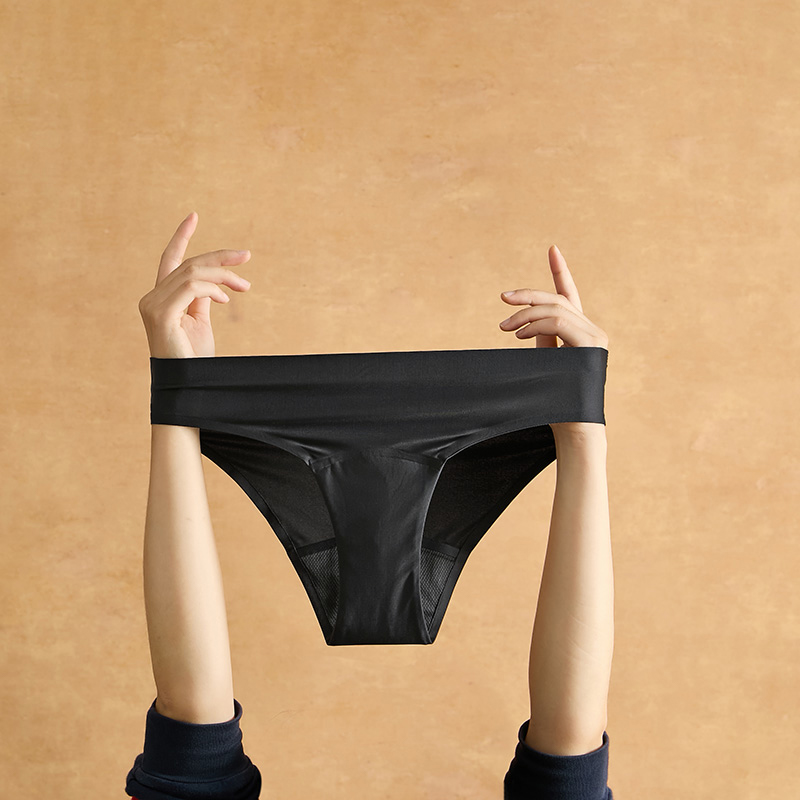
    I. Core Advantages of Lingerie OEM: Precision Cost Control, Controllable Efficiency, and Optimized Stable Supply Cost Advantages The brand holds full control over product design, enabling precise selection of fabrics and trims based on budget constraints.Mature OEM production processes minimize material waste and rework losses, while continuously optimizing the product supply chain.This not only helps stabilize and reduce production costs, but also avoids cost surges caused by supply shortages during peak seasons or raw material price hikes. Efficiency Advantages By skipping the design and R&D phase, the overall workflow is significantly streamlined.Taking OEM Seamless Mid-Waist Period Panties as an example, brand partners only need to compile their previously validated production specifications into a Tech Pack, list out all detailed requirements clearly, and then submit it directly to the factory to kick off production.Thus cutting down communication costs substantially. Applicable Scenarios Ideal for brands launching core classic styles, reproducing best-selling items, or rolling out product lines with strict design specifications.     II. Core Advantages of Lingerie ODM: Low MOQ, Hassle-free Operations, and Rapid Market Capture Cost Advantages Factories integrate design, R&D and production resources to share design costs; their mature supply chains allow access to cost-effective fabrics and trims, which are more price-competitive than independent procurement by brands. Low MOQ supports small-batch rapid launch of new products for market testing, reducing the risk of inventory backlogs. Efficiency Advantages Factories maintain a ready-made design library and sample collection, allowing brands to directly select styles for minor adjustments.Taking ODM High-Quality One-Piece Bodysuit Shapewear as an example, brands only need to select existing products, add their own brand logos, and then quickly launch these products to the market for sale.This drastically shortens the cycle from concept to finished product, eliminating the trial-and-error costs and time waste associated with independent design. Added Value Factories possess in-depth knowledge of diverse market demands (e.g., sizing standards in Europe and America, wearing habits of consumers in different countries) and can provide professional market insights, helping to reduce the risk of new product unsellability. Applicable Scenarios Perfect for startup brands looking to quickly build product lines, established brands exploring niche segments, and businesses launching fast-response products to capitalize on seasonal trends.Decision Guide: Choose the Optimal Cooperation Model Based on Your Business Needs 3 Core Scenarios to Choose OEM Have an in-house professional design team and have completed product design and process planning Core products have stable market demand and require accurate replication for mass production Expand options for product manufacturers, stabilize product supply chains, and optimize existing product suppliers 3 Core Scenarios to Choose ODM Be a startup brand lacking design, R&D resources and market experience Need to quickly respond to market trends and launch seasonal, fashion-forward products Aim to reduce trial-and-error costs and test market feedback via small-batch customization 📩 Email: Lexie@Sharicca.com 🌐 Website: www.chuangrongapparel.com
  • How to Speed Up Launch: Lingerie OEM/ODM Process
    How to Speed Up Launch: Lingerie OEM/ODM Process Dec 18, 2025
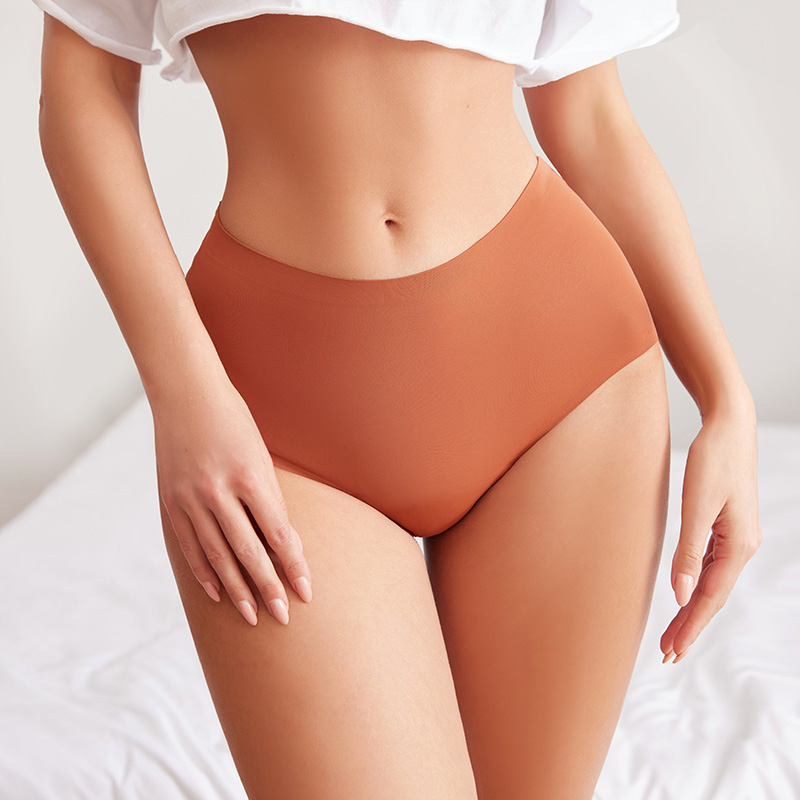
    Basic understanding: The core difference between OEM and ODM lingerie OEM: Turn your blueprint into reality. The brand provides a complete design solution (Tech Pack), and the factory is responsible for precise productionODM: Innovate on the shoulders of professional experience. The factory provides a full chain service from design, research and development to production, and the brand can directly choose or customize (such as color, lace decoration, brand logo, etc.)Process breakdown: Fully transparent! Underwear OEM/ODM  process ODM Service Process   1.Market demand and style communicationThe brand clearly identifies the target market (such as Europe, America/Asia), customer positioning (such as sports underwear/shapewear), price range, and the factory recommends products and production suggestions based on this 2.Select styles and confirm sizes, colors and quantities 3.Provide LOGO and detailed customization requirements,the factory will provide a design draft and sample plan 4.Confirm production schedule, shipping method and delivery date 5.Confirm order, make payment and start production 6.Develop initial samples and obtain sample confirmation a. Pattern making and first sample development b. Dress form fitting and pattern adjustment c. Confirmation of process details d. European and American live models try on e. Revision and final confirmation of initial samples 7.Testing and compliance certificationThe time required for applying for additional certification is not included in the calculation a. Product quality and performance testing in the factory's in-house laboratory b. Compliance certification application (custom certification services are also available to meet special requirements) 8.Pre-bulk production preparation and production implementation a. Formulation of production process documents and pre-production sample development b. Material supply chain coordination and production scheduling c. Quality inspection Pre-production inspection: Inspect the quality of fabrics and trims, and reject non-conforming materials In-process inspection: Conduct random checks on sewing workmanship and pattern dimensions, and correct deviations in a timely manner Final inspection: Implement 100% inspection on finished products (including size accuracy, appearance defects and functional testing). Qualified products will be labeled and packaged 9.Factory after-sales follow-up service and market feedback collection Methods to improve efficiency in Lingerie ODM services((Taking  OEM/ODM High Quality Comfy Wireless Seamless Bra as an Example) 1. Determine the target market in advance, select the styles, colors, and quantities for production, and clearly list the customization requirements. 2. Communicate efficiently, clearly specifying production time, shipping time, and payment terms to quickly confirm orders. 3. Cooperate closely to reduce repeated sample modifications. 4. Cooperate closely to quickly confirm sample details and mass production details, and confirm the bulk order.5. Shorten the payment cycle: Most factories only start production after receiving payment. Therefore, a fast payment cycle is also crucial for improving OEM production speed.     OEM Service Process 1.Requirement docking and confirmation:The brand Provides a tech pack; specify detailed production requirements, including quantity, size chart,  pattern specifications, color options, fabrics & trims, craftsmanship standards, and packaging requirements,etc.,and the factory verifies feasibility and confirms order details 2.Confirm production schedule, shipping method and delivery date 3.Confirm order details, arrange payment and initiate production 4.Develop initial samples and obtain sample confirmation       a. Pattern making and first sample development       b. Dress form fitting and pattern adjustment       c. Confirmation of process details       d. European and American live models try on       e. Revision and final confirmation of initial samples 5.Testing and compliance certification       a. Product quality and performance testing in the factory's in-house laboratory       b. Compliance certification application (custom certification services are available to meet special requirements) 6.Pre-mass production preparation and production implementation        a. Formulation of production process documents and pre-production sample development        b. Material supply chain coordination and production scheduling        c. Quality inspection Pre-production inspection: Inspect the quality of fabrics and trims, and reject non-conforming materials In-process inspection: Conduct random checks on sewing workmanship and pattern dimensions, and correct deviations in a timely manner Final inspection: Implement 100% inspection on finished products (including size accuracy, appearance defects and functional testing). Qualified products will be labeled and packaged 7.Factory after-sales follow-up service and market feedback collection   Methods to Improve Underwear OEM Production Speed ​​(Taking  OEM & ODM Seamless Leakproof Period Underwear as an Example) 1. Provide a complete tech pack, clearly listing the customization requirements for the period panties, including: production size chart, fabric and accessories, product images, process requirements, functional requirements (e.g., how much liquid absorption is required?), brand logo, style, color, quantity, etc. 2. Efficient communication: Clearly communicate with the supplier regarding required production time, shipping time, and payment terms to quickly confirm the order. 3. Mutual cooperation: Confirm the production details and requirements of the samples with the manufacturer in the early stages to reduce repeated sample modifications. 4. Quick response and cooperation: Quickly confirm sample details and mass production details, and confirm the mass production order. 5. Shorten the payment cycle: Most factories only start production after receiving payment. Therefore, a fast payment cycle is also crucial for improving OEM production speed. If you want to quickly start your OEM/ODM production, you can contact us: 📩 Email: Lexie@Sharicca.com 🌐 Website: www.chuangrongapparel.com  
  • What is Seamless Underwear? Benefits for Active & Comfort Brands
    What is Seamless Underwear? Benefits for Active & Comfort Brands Dec 20, 2025
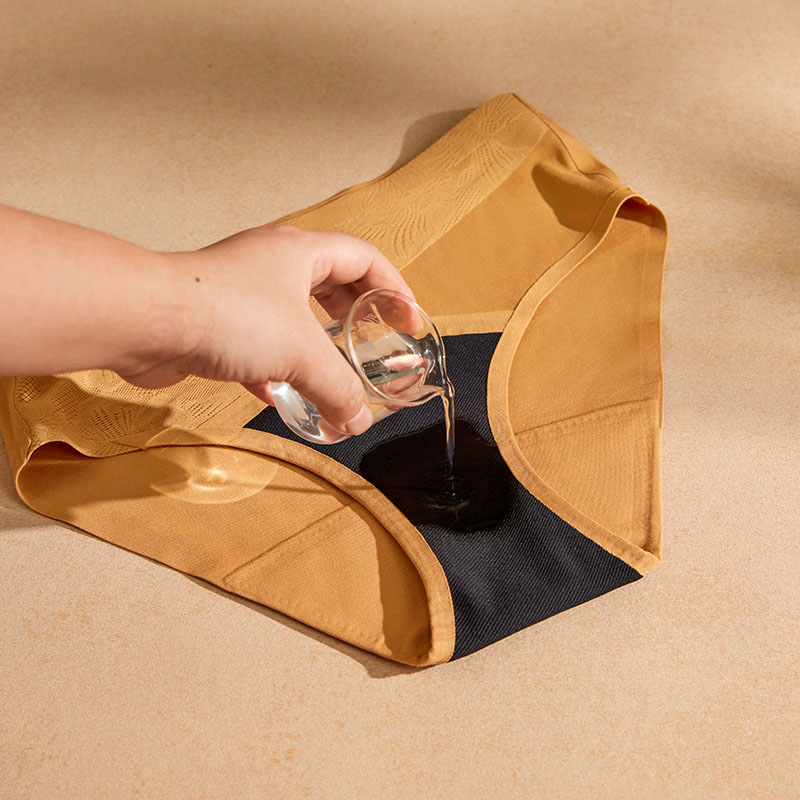
      What is Seamless Underwear? Benefits for Active & Comfort Brands Learn why seamless underwear is ideal for active and comfort-focused brands. Explore seamless panties, bras, and OEM options from ChuangRong Apparel, a direct lingerie factory. What is Seamless Underwear? Benefits for Active & Comfort Brands Seamless underwear is a type of lingerie designed without visible stitching, offering a smooth and comfortable fit. Unlike traditional cut-and-sew underwear, seamless styles are created using advanced knitting, bonding, or molding techniques, which eliminate seams and reduce friction against the skin. For brands focusing on activewear, everyday comfort, or performance lingerie, seamless underwear has become a staple product due to its functional benefits and visual appeal.   Key Benefits of Seamless Underwear: 1. Smooth and Invisible Under Clothing One of the main advantages of seamless underwear is its invisibility under clothing. Whether paired with leggings, tight-fitting pants, or workout apparel, seamless panties and bras create a clean silhouette with no visible lines, making them perfect for active or casual wear. 2. Enhanced Comfort for Long Wear Seamless underwear is crafted with soft, stretchy materials such as nylon, spandex, or elastane blends. Without seams rubbing against the skin, wearers experience all-day comfort, which is critical for brands marketing comfort-focused or active underwear collections.   3. Perfect for Active Movement For sportswear or active underwear, seamless designs offer flexibility and freedom of movement. Bonded or molded constructions maintain shape without sliding or rolling, even during intense workouts. This makes them ideal for yoga, running, gym sessions, and daily fitness routines.   4. Easy to Expand into Multiple Styles Seamless underwear is highly adaptable. Brands can create G-strings, thongs, briefs, or high-waisted styles all in seamless construction. This allows OEM or Private-label Seamless Underwear collections to expand efficiently without redesigning base patterns, reducing production time and cost.   Why Brands Choose ChuangRong Apparel for Seamless Underwear As a direct lingerie factory, ChuangRong Apparel has over 15 years of experience in designing and producing seamless underwear for global brands. We provide:   1.Design support: From sketches to samples, our team helps refine seamless styles for fit and performance. Fast sampling and production: Short lead times allow brands to iterate quickly and launch new collections. 2.Quality control: Reliable production ensures that every piece maintains comfort, stretch, and shape retention. 3.Versatile style development: One core design can be expanded into multiple variations for your line.   This approach ensures that brands can consistently deliver high-quality seamless underwear to their customers, whether for active, comfort, or performance-focused collections.    Final Thoughts Seamless underwear is more than a trend—it’s a functional, versatile, and highly desirable product for active and comfort-focused lingerie brands. By partnering with a reliable OEM factory like ChuangRong Apparel, brands can confidently expand their seamless lingerie collections with designs that look great, feel comfortable, and perform under movement. Interested in developing your seamless underwear line? Contact ChuangRong Apparel to explore OEM & ODM options.  📩 Email: Lexie@Sharicca.com 🌐 Website: www.chuangrongapparel.com      
1 2 3 4

A total of4pages

Contact Us

Send a Message

If you are interested in our products and looking for wholesale, or looking to customize your design, please leave a message here.
Submit

Need Help? Chat with us

Send a Message
If you are interested in our products and looking for wholesale, or looking to customize your design, please leave a message here.
Submit
Contact us #
+86 13728718457

Our hours

Mon 11/21 - Wed 11/23: 9 AM - 8 PM
Thu 11/24: closed - Happy Thanksgiving!
Fri 11/25: 8 AM - 10 PM
Sat 11/26 - Sun 11/27: 10 AM - 9 PM
(all hours are Eastern Time)

Home

Products

whatsApp

contact